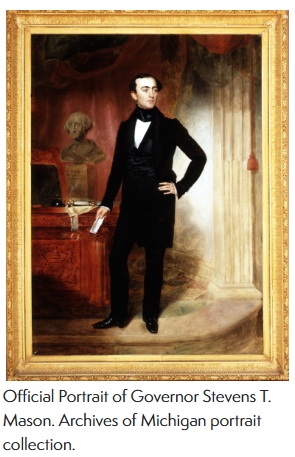
- Name Origin: The city of Mason was formally named in honor of Governor Stevens T. Mason.
- Significance: Mason, Michigan serves as the seat of Ingham County, known for its historic 19th-century courthouse and charming downtown area.
- About Stevens T. Mason: Born in Virginia, Mason was a Democratic governor who served from 1835 to 1840. He was crucial in managing the dispute over the Toledo Strip, eventually securing the Upper Peninsula for Michigan in exchange for ceding that land to Ohio.
- Legacy: Despite navigating Michigan through economic struggles—including over $2 million in debt from internal improvement projects—he was respected for setting up the state's educational system and acquiring the Upper Peninsula.
- Final Resting Place: While he died in New York, his remains were returned to Michigan in 1905 and are currently located in Detroit's Capitol Park.
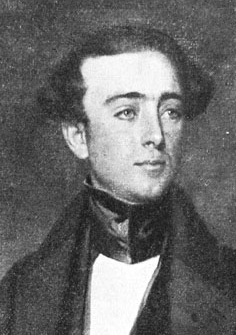
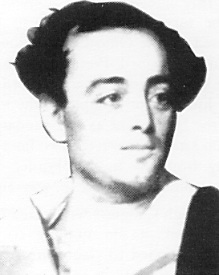
Mason, Michigan, the county seat of Ingham County, was named in honor of Stevens T. Mason (1811–1843), the first governor of Michigan. Known as the "Boy Governor" because he was appointed acting territorial governor at age 22,
Mason played a crucial role in navigating Michigan toward statehood, leading the Toledo War, and establishing early state infrastructure
Links
FindAGrave:https://www.findagrave.com/memorial/6234829/stevens-thomson-ma
National Governors Association Link: https://www.nga.org/cms/home/governors/past-governors-bios/page_michigan/col2-content/main-content-list/title_mason_stevens.default.html
2018 HistoricDetroit.org. All rights reserved Article Link: http://historicdetroit.org/building/stevens-t-mason-monument/
Jefferson City Early Settlers Platted in 1836
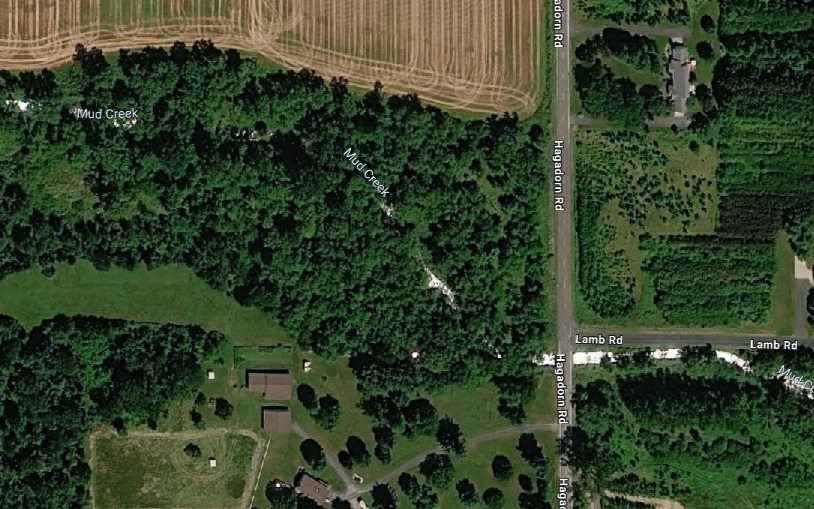
Jefferson City, Michigan is a historic "ghost town" located in Alaiedon Township (Ingham County), about 3.5 miles north of Mason. Platted in 1836, it was abandoned by 1847 after it lost out on becoming the county seat and its original plat was never officially recorded
The former settlement was centered near the present-day intersection of Hagadorn and Lamb Roads. It featured a sawmill on Mud Creek and a schoolhouse, but quickly declined as nearby Mason grew
https://sb-mahs.ens-205.com/jefferson-city-early-settlers
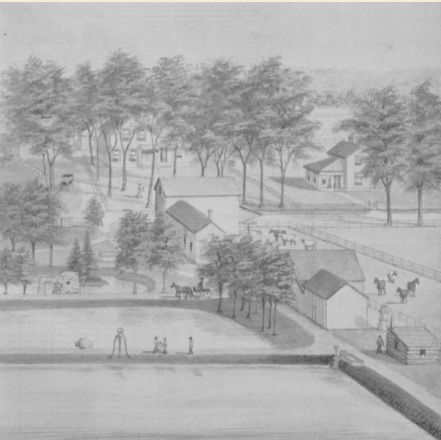
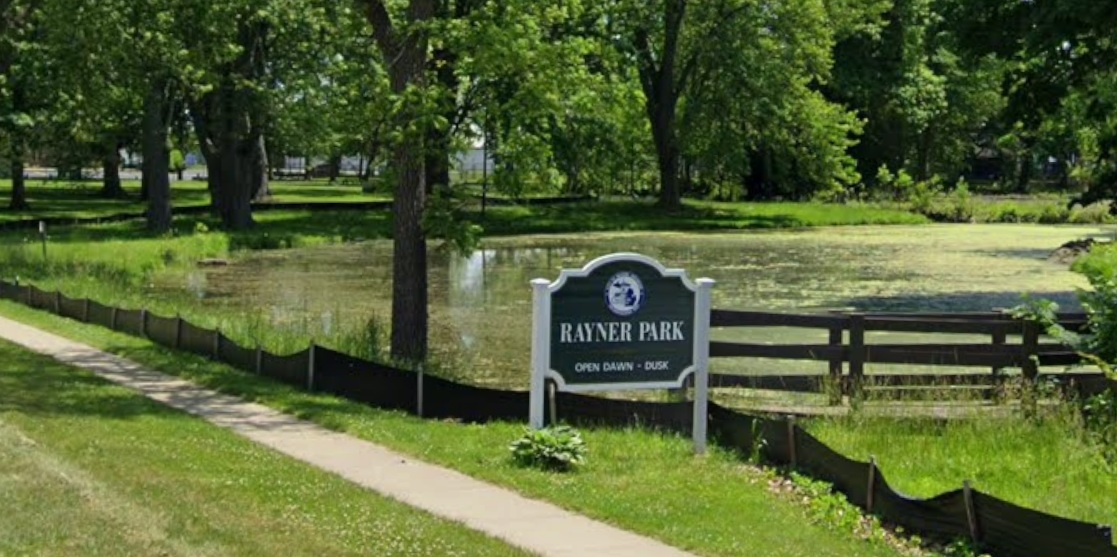
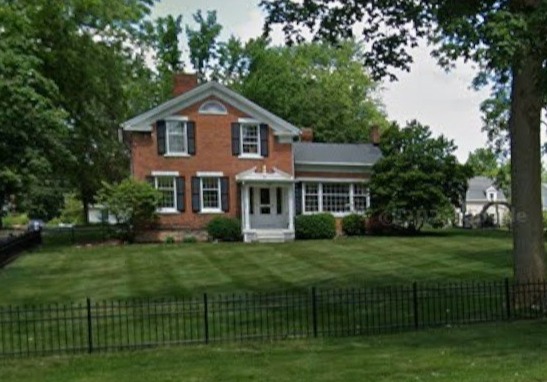
Sketch of Rayner Park from 1895! At the time, the property contained the residence of William H Rayner located on Ash St.
Mr. Rayner would sell the ice created in the ponds in the winter months.